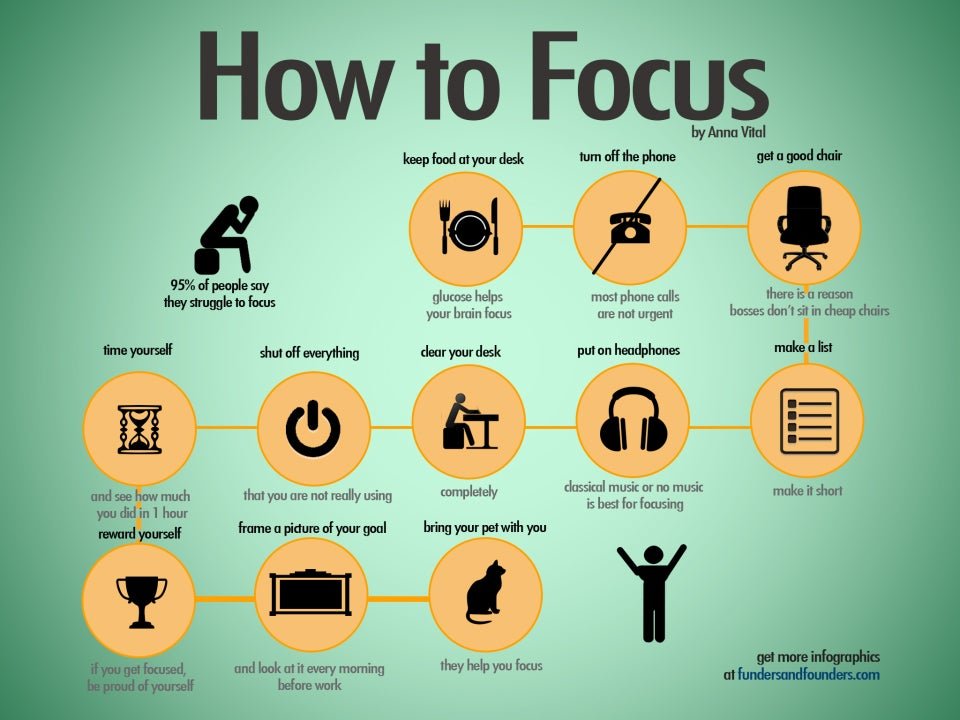
Struggling to remember what you just read? Constantly getting sidetracked by social media? Figuring out what helps you focus when studying is the key to unlocking better grades and less stress. It's not about working harder, but smarter.
At a Glance:
- Discover how to design a study environment free from distractions, significantly boosting concentration.
- Learn to create a solid study plan with measurable goals to stay on track and avoid feeling overwhelmed.
- Master proven techniques like the Pomodoro Technique and active learning to maximize study efficiency.
- Understand the crucial role of mental and physical well-being, including sleep, diet, and mindfulness, in supporting focus.
- Get practical strategies for managing distractions and staying motivated throughout your study sessions.
Your Study Sanctuary: Designing an Environment for Peak Focus
Where you study matters. A dedicated study space signals to your brain that it's time to concentrate. Think of it as your academic batcave – a place specifically designed to enhance focus.
- Declutter: Remove anything unnecessary from your study area. This includes anything not directly related to your studies. A clean workspace promotes a clear mind.
- Silence the Noise: External noise is a focus killer. Use noise-canceling headphones, earplugs, or find a quiet location. Consider using white noise or ambient sounds if complete silence is unnerving.
- Temperature Control: Studies show that an optimal temperature range of 22°C to 25°C (72°F to 77°F) is conducive to productivity.
- Digital Detox Zone: Keep your phone out of sight (ideally in another room) or use website blockers to prevent digital distractions. Forest is a popular app that gamifies staying off your phone by "planting" a virtual tree that dies if you leave the app.
Example: Sarah, a law student, transformed her spare bedroom into a study haven. She added a comfortable chair, a large desk, and bookshelves. By eliminating distractions and creating a dedicated space, she significantly improved her focus and reduced study time by about 20%.
The Power of Planning: Setting the Stage for Focused Study Sessions
Winging it rarely works. A detailed study plan is your roadmap to academic success.
- Specific Goals: Instead of vaguely planning to "study history," define exactly what you want to accomplish. For example: "Read Chapter 3 and outline the main causes of the French Revolution."
- Task Breakdown: Break down large tasks into smaller, more manageable steps. This makes the overall goal less daunting and easier to tackle.
- Prioritize: Use techniques like the Eisenhower Matrix (urgent/important) to prioritize tasks. Focus on the most important and urgent items first.
- Write it Down: Start each study session by writing down the specific tasks you intend to complete. This helps to keep you focused and accountable.
Example: Mark, a struggling math student, started creating daily study plans with specific goals. He broke down complex problems into smaller steps and allocated time for each step. As a result, he not only finished tasks faster but also retained information more effectively.
Time-Tested Techniques: Mastering Focus During Study
Once your environment and plan are set, it's time to implement effective study techniques. These methods are designed to maximize your focus and retention during study sessions.
- The Pomodoro Technique: Work in focused 25-minute intervals followed by 5-minute breaks. After four "pomodoros," take a longer 20-30 minute break. This technique helps to maintain focus and prevent burnout.
- Active Learning: Avoid passive reading. Engage actively with the material. Summarize information in your own words, create flashcards, draw diagrams, teach concepts to others, or use elaborative interrogation. Quizlet is a great app for creating flashcards and testing yourself.
- Elaborative Interrogation: This involves asking "why" questions about the material and generating detailed explanations. For example, instead of just memorizing a historical event, ask "Why did this event happen?" and "What were the consequences?"
- Accountability Partners: Use Focusmate to find a virtual accountability partner for 50-minute focused study sessions. Knowing someone else is working alongside you can be a powerful motivator.
Why Active Recall Matters: Actively retrieving information from memory, rather than passively rereading, strengthens neural connections and improves long-term retention. Try covering your notes and trying to recall the key points.
Nourishing Your Brain: The Link Between Well-being and Focus
Your mental and physical well-being are crucial for sustained focus. Think of yourself as an athlete training for an academic marathon. You need proper fuel and rest to perform at your best.
- Sleep: Aim for 7-8 hours of quality sleep each night. Sleep deprivation impairs cognitive function and reduces focus.
- Diet: Eat brain-healthy foods like nuts, fish, and blueberries. Avoid sugary snacks and processed foods that can lead to energy crashes. Stay hydrated by drinking plenty of water.
- Exercise: Physical activity increases blood flow to the brain and improves focus. Even a short walk or yoga session before studying can make a difference.
- Mindfulness: Practice mindfulness meditation for 5-10 minutes each day. This helps to reduce stress and improve focus. Apps like Headspace offer guided meditation sessions.
- Scheduled "Worry Time": If you find yourself constantly worrying, schedule a specific time each day to address your concerns. This can help to prevent worries from intruding on your study sessions.
Example: James, a stressed-out engineering student, started incorporating exercise and mindfulness into his routine. He noticed a significant improvement in his focus and reduced anxiety levels.
Taming the Distraction Beast: Strategies for Staying on Track
Distractions are inevitable, but you can learn to manage them effectively.
- Acknowledge and Defer: When a distraction arises, don't immediately act on it. Instead, write it down and schedule a time to address it during a break.
- Website Blockers: Use website blockers like Freedom or Cold Turkey to prevent access to distracting websites and apps during study sessions.
- Noise-Canceling Headphones: Invest in a good pair of noise-canceling headphones to block out external noise.
- Communicate Expectations: Let your family or roommates know when you need uninterrupted study time.
The Power of "No": Learning to say "no" to non-essential commitments can free up valuable time and energy for studying.
Motivation and Momentum: Sustaining Your Study Focus
Staying motivated is key to long-term academic success.
- Identify Your "Why": Write down your reasons for studying. Focus on process-oriented reasons (e.g., "I want to learn new things") rather than outcome-oriented reasons (e.g., "I want to get a good grade").
- Track Progress: Keep a record of completed tasks to monitor progress and stay motivated. Use a planner or a tracking app like Focus Booster.
- Reward Yourself: Set up a system of rewards for achieving your study goals. This could be anything from a small treat to a fun activity.
- Set a Strict Ending Time: Establish a clear deadline for your study sessions and stick to it. Avoid working late into the night, as this can lead to burnout.
Implementation Intention: Use implementation intentions, or "if-then" plans, to make it easier to start studying. For example: "If it's 7 PM, then I will sit down at my desk and start studying."
Discovering what helps you focus when studying is a personal journey, but these strategies offer a solid foundation. Further information on focusing better while studying can found in this guide: Simple study focus tips.
Practical Playbook: Quick-Start Guide to Focused Study
Ready to put these techniques into action? Here's a step-by-step guide to get you started:
- Designate Your Study Space: Choose a quiet, clutter-free area and equip it with everything you need.
- Create a Detailed Study Plan: Break down your tasks into smaller, manageable steps and prioritize them based on importance.
- Implement the Pomodoro Technique: Work in focused 25-minute intervals followed by 5-minute breaks.
- Practice Active Learning: Engage actively with the material by summarizing, creating flashcards, and teaching concepts to others.
- Prioritize Your Well-being: Get enough sleep, eat healthy foods, exercise regularly, and practice mindfulness.
- Manage Distractions: Use website blockers, noise-canceling headphones, and communicate your need for uninterrupted study time.
- Stay Motivated: Identify your "why," track progress, and reward yourself for achieving your goals.
Quick Answers: Common Questions About Study Focus
Q: Is multitasking a good way to get more done?
A: No. Multitasking significantly reduces focus and productivity. Prioritize single-tasking and concentrate on one activity at a time.
Q: Can music help me focus?
A: It depends. Listening to classical music or ambient noise (e.g., Brain.fm, Coffitivity) can help some people focus, but others find it distracting. Experiment to see what works best for you.
Q: What if I just can't seem to concentrate?
A: Take a break. Get up and move around, do some stretching, or take a short walk. Sometimes, a change of scenery is all you need to reset your focus. If persistent, consider seeking professional help for underlying issues like ADHD.
Q: How do I avoid procrastination?
A: Break down tasks into smaller, more manageable steps. Set realistic deadlines and reward yourself for achieving them. Use techniques like the Pomodoro Technique to get started.
Your Journey to Focused Studying Starts Now
Improving your focus while studying takes consistent effort and experimentation. Not every technique will work for everyone. The key is to find what resonates with you and incorporate it into your study routine. By creating a dedicated study environment, planning your sessions effectively, and prioritizing your well-being, you can unlock your full academic potential. The time to start is now.